Infertility in general is defined as not being able to get pregnant (conceive) after one year (or longer) of unprotected sex. Because fertility in women is known to decline steadily with age, some providers evaluate and treat women aged 35 years or older after 6 months of unprotected sex.
- Infertility means not being able to become pregnant within certain parameters.
- Infertility is a common problem of about 6% of women aged 15 to 44.
- Infertility can be due to the woman, the man, either sexes or unknown problems.
- Infertility in men can be due to varicolored, trauma, and low or absent sperm count, sperm damage, alcohol use or certain diseases like diabetes, cystic fibrosis, autoimmune diseases, infections, hormonal disorders, and genetic disorders.
- Risk factors for men’s infertility include age, smoking, alcohol and drug use, toxins, health problems like obesity, medicines like testosterone, radiation, excessive testicular heat, and chemotherapy.
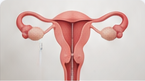
- Risk factors for women’s infertility include ovulation problems like polytheistic ovary syndrome, blocked Fallopian tubes, uterine problems, uterine fibroid, age, stress, poor diet and risk factors including age and health problems like obesity, drug use, toxins, smoking and alcohol.
- Aging is a major risk factor that decreases a woman’s fertility. After age 35, about 33% of couples have fertility problems. Older women’s eggs are reduced in number, not as healthy, and less likely to be released by the ovary. The woman is also more likely to have a miscarriage and other health problems.
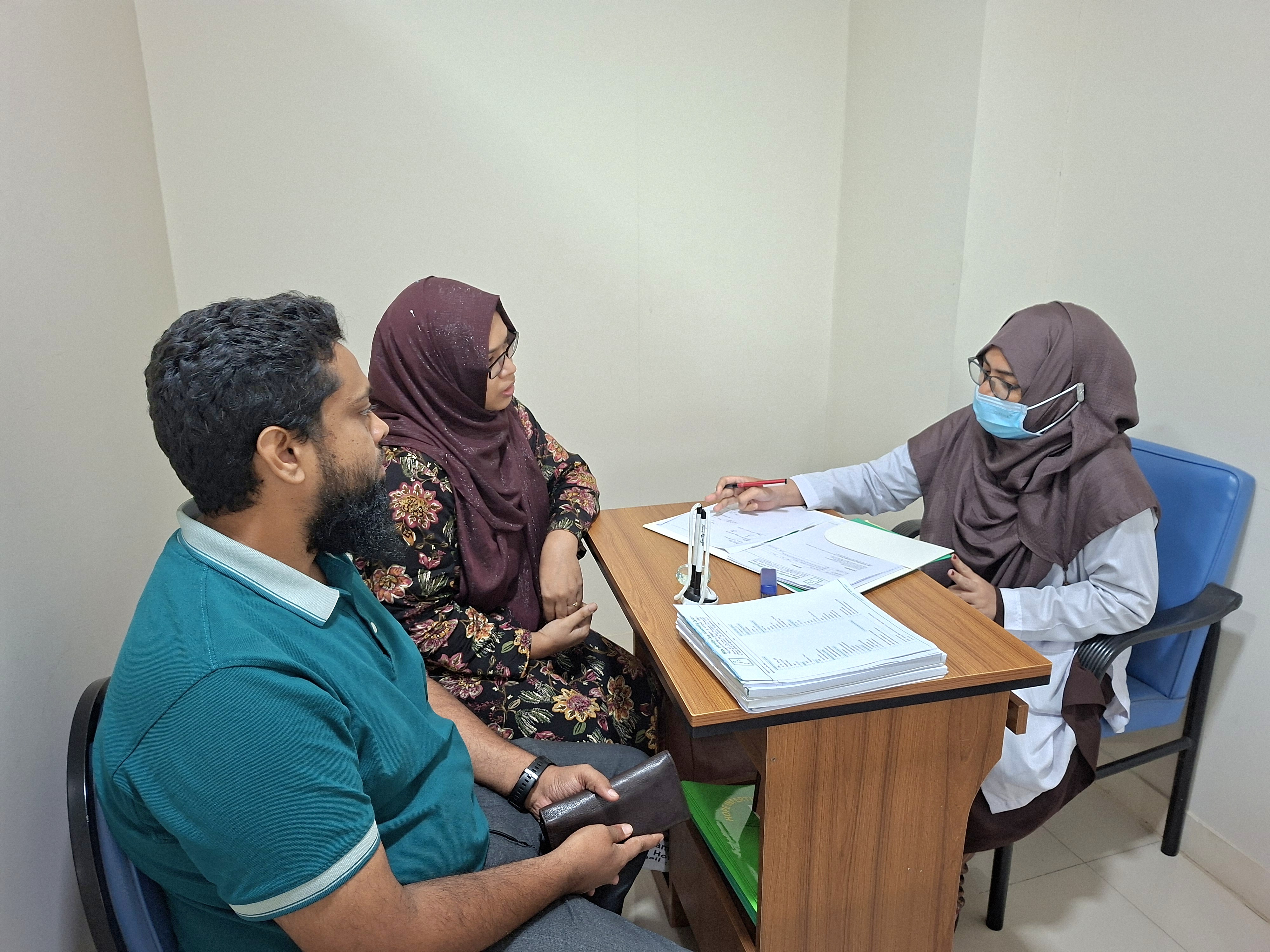
- Women under age 35 should try for a year and women older than 35 should try for 6 months to become pregnant before contacting their doctors if they have no health problems.
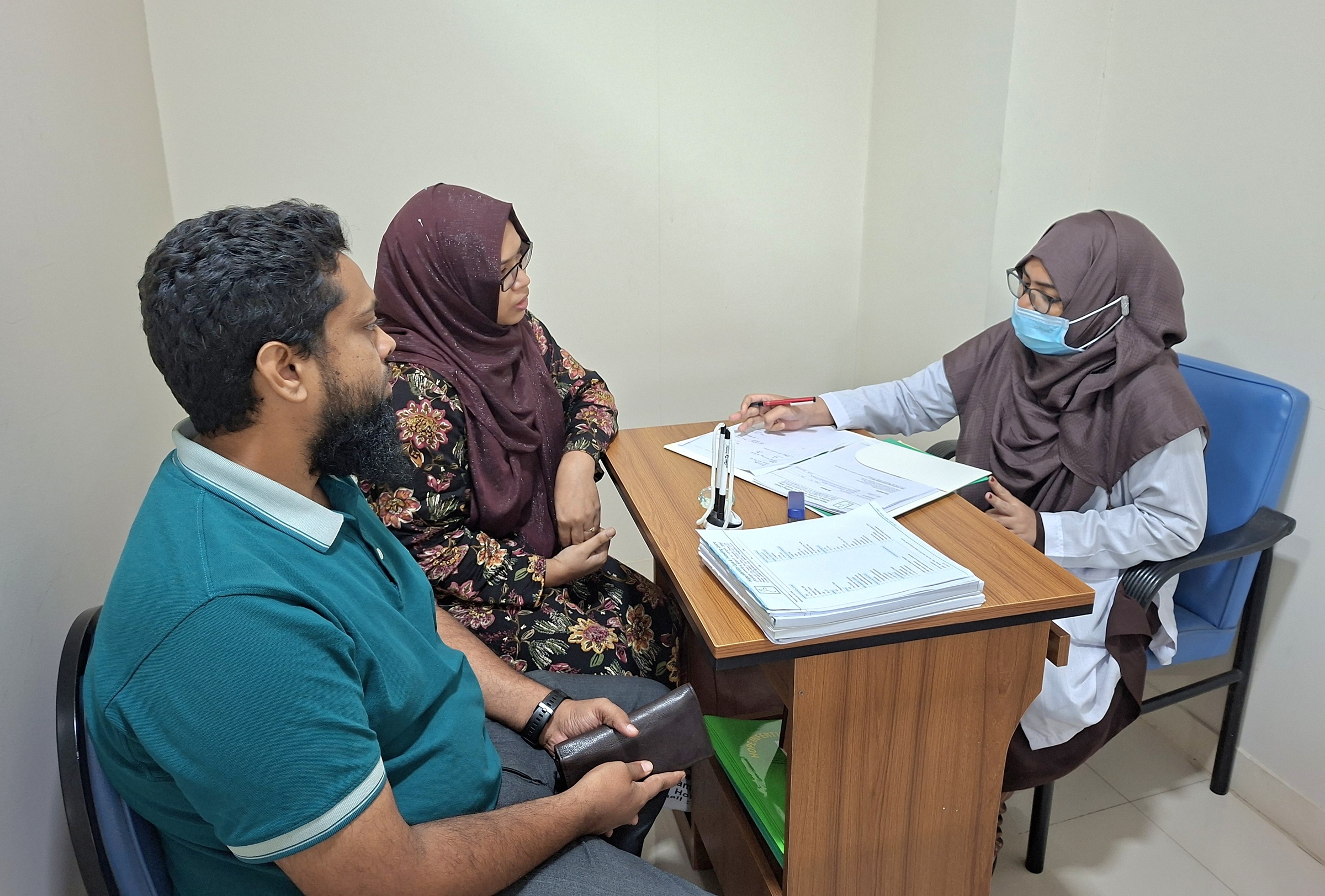
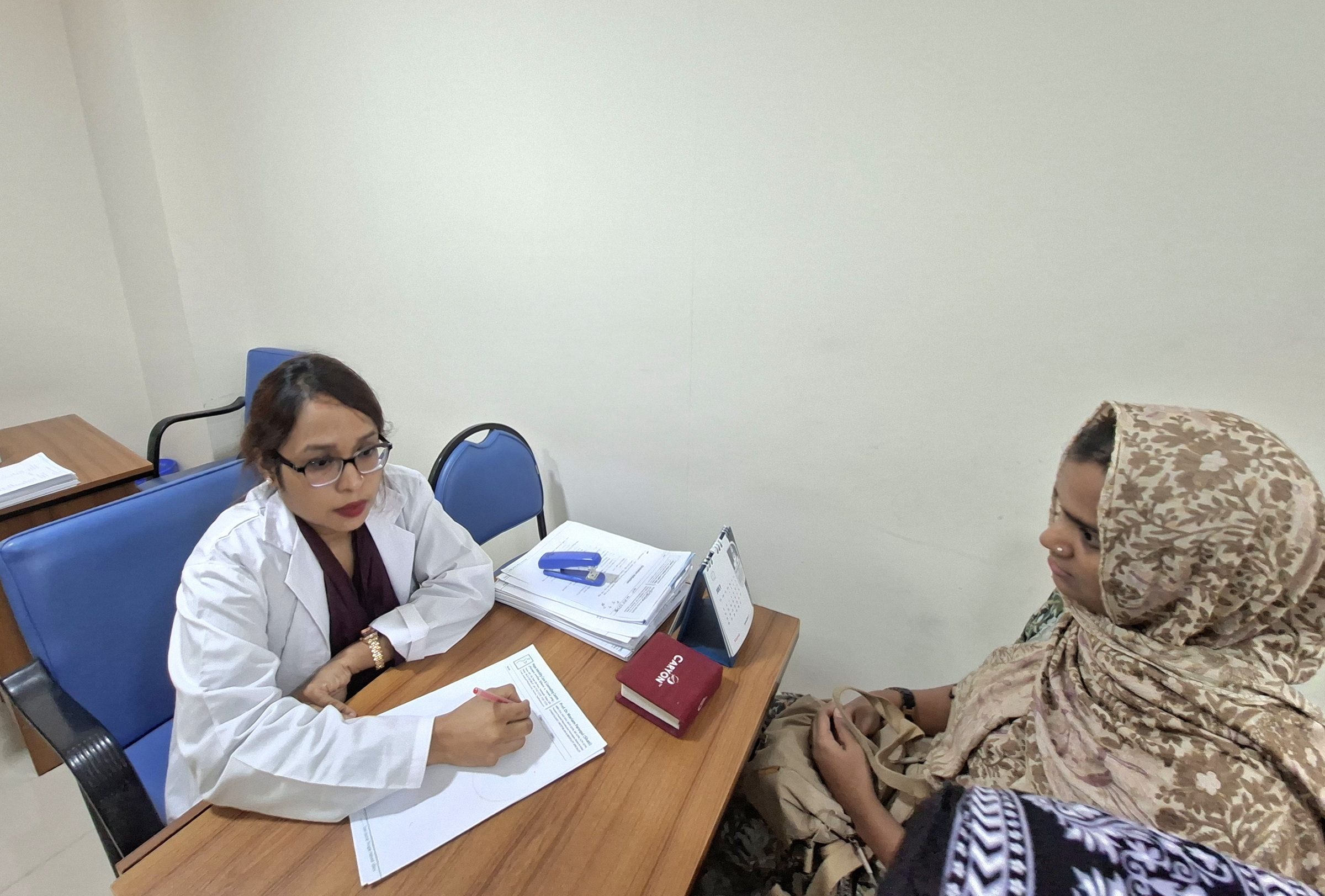
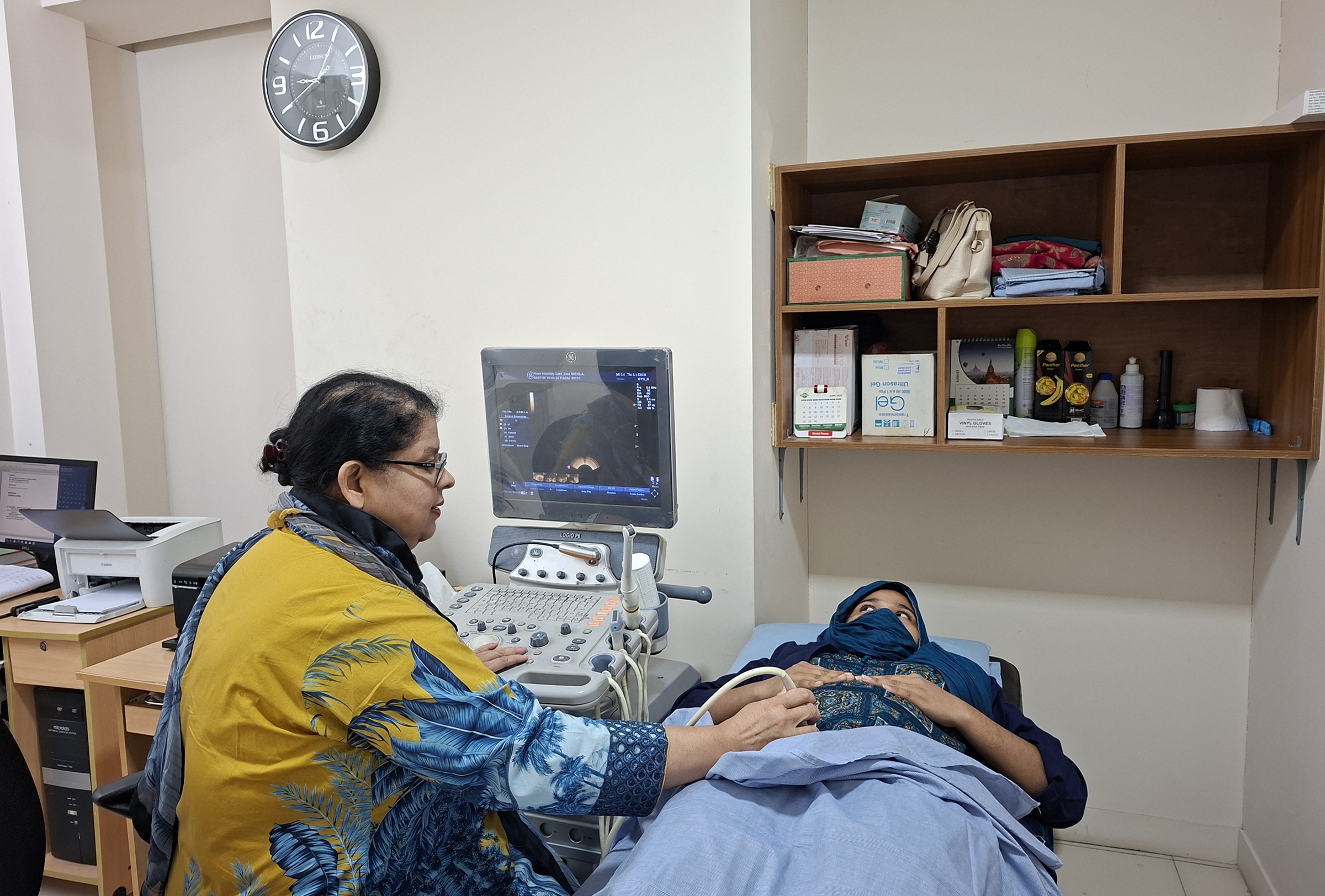
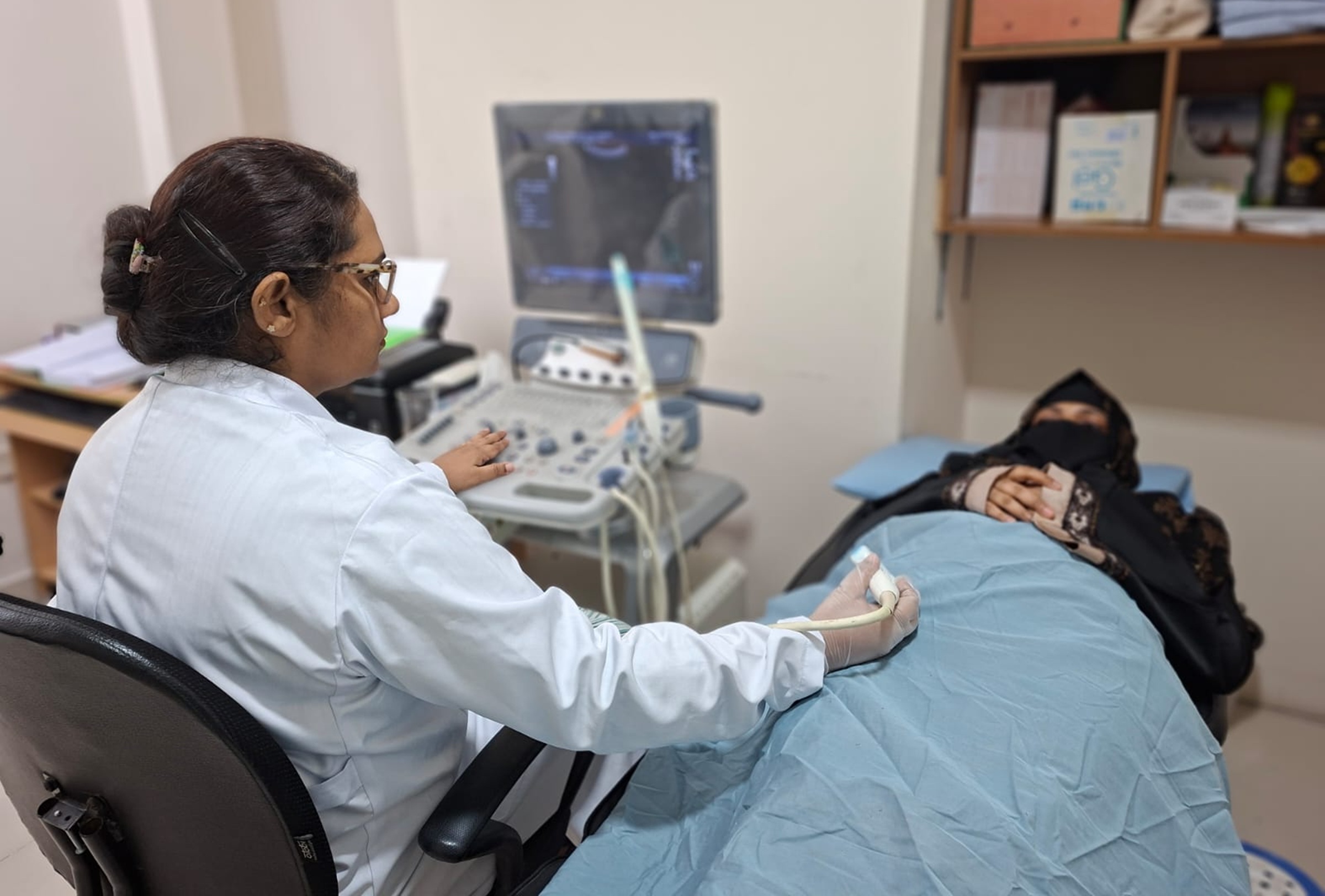
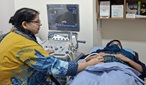
- Doctors use the histories of both partners and may run tests such as sperm studies, ovulation tests, ultrasound, electroencephalography, or laparoscopy.